
Table of Contents
When the World Feels Too Fast

Have you ever sat in a conversation and felt the moment pass before your thoughts were ready? Someone asks a question, people laugh, decisions happen instantly, and your brain is still carefully connecting the dots. Many autistic people like myself know this feeling deeply. It can hurt. It can feel isolating. Sometimes it even makes you question your intelligence.
But here’s something gentle and important to hear: needing more time does not mean you’re less capable. It often means you’re thinking smarter.
Autistic processing is rarely about speed. It’s about depth. While others skim through information, autistic minds often examine details, patterns, emotions, and possibilities all at once. Imagine reading every sentence of a book while everyone else flips pages quickly. You’re not behind; You’re absorbing more.
The problem isn’t your brain. The problem is a world obsessed with fast answers instead of thoughtful ones. In 2026, more autistic adults are discovering that success doesn’t come from forcing faster thinking. It comes from building a life that allows you to think smarter.
Why Your Brain Takes Its Time

Many autistic people process information like a powerful computer running multiple high-quality programs at once. Sensory input, emotional cues, language interpretation, and internal analysis happen simultaneously. That richness can slow response time, but it also creates incredible awareness.
You might notice:
- You replay conversations later and think of the perfect response.
- You understand complex topics deeply once you’ve had time.
- You notice patterns others miss completely.
These aren’t flaws. They’re signs of a brain designed for thoughtful processing.
The emotional struggle comes from pressure. School demanded instant answers. Jobs reward quick talkers. Social settings favor fast reactions. Over time, many autistic people internalize the message: I need to be quicker to be valued.
But what if the goal isn’t speed at all? What if the real goal is learning to work smarter, in harmony with your natural rhythm?
Smarter Processing Speed Hacks That Feel Human

Give Yourself Permission to Pause
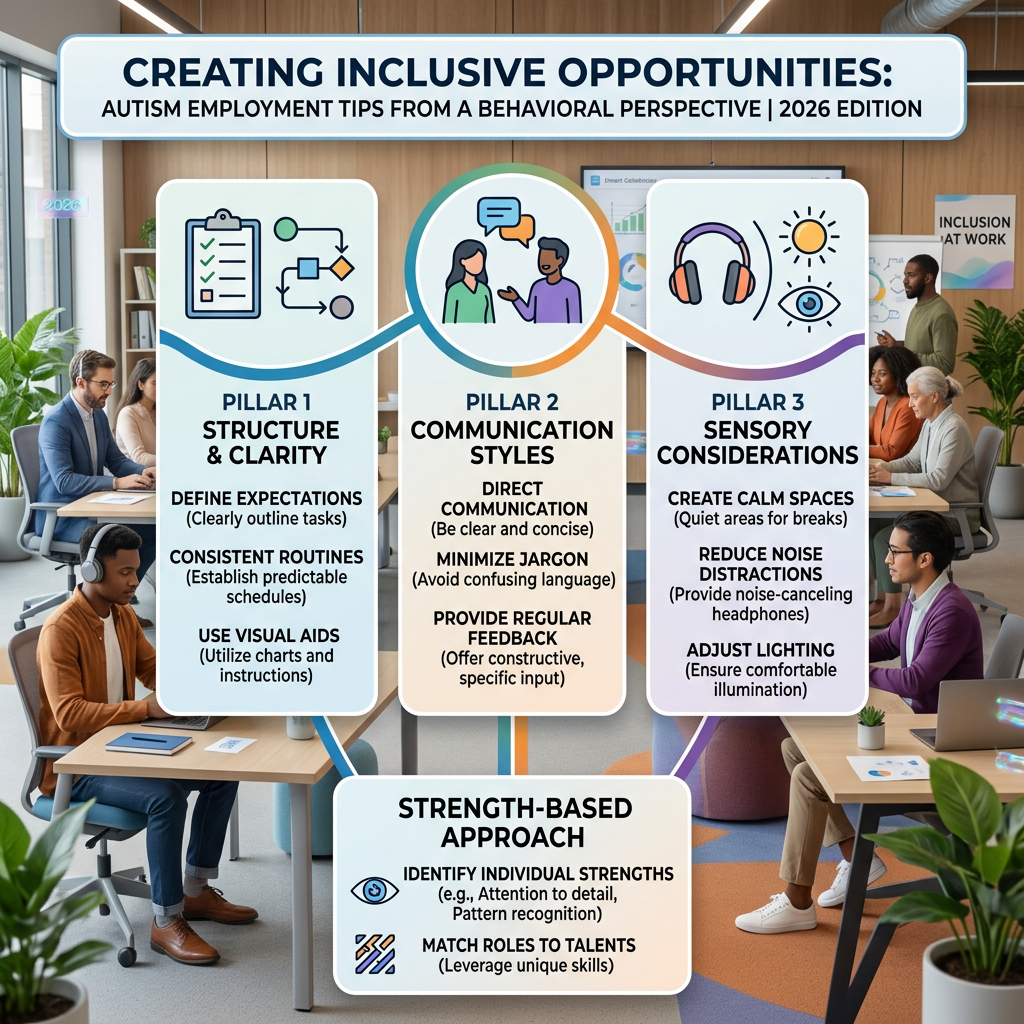
One of the most powerful changes is also the simplest: allow silence. You are allowed to say, “Let me think about that.” A pause isn’t failure; it’s clarity forming. When you stop rushing, your thoughts organize themselves naturally.
Write Before You Speak
Many autistic people think more clearly through writing than spontaneous speech. Notes apps, text drafts, or journaling can act like an external brain. Writing removes social pressure and lets your ideas arrive fully formed — a wonderfully smarter way to communicate.
Create Predictable Routines
Decision fatigue slows processing more than people realize. When daily choices become automatic: meals, clothing, morning routine; Your brain saves energy for meaningful thinking. Structure doesn’t trap you; it frees cognitive space.
Reduce Sensory Noise
Processing slows dramatically when your environment is overwhelming. Bright lights, background conversations, or sudden sounds force your brain to filter too much information at once. Headphones, quiet corners/areas, or softer lighting can instantly make thinking feel smoother.
Focus on One Thing at a Time
Multitasking looks productive but often exhausts autistic cognition. Monotasking is smarter. When attention locks onto one task, many autistic people enter deep focus states where thinking becomes faster and clearer without effort.
Technology Is Your Cognitive Teammate

In 2026, thinking smarter often means letting technology share the workload. Voice-to-text tools capture thoughts before they disappear. AI assistants summarize long messages. Reminder apps remove the stress of remembering everything at once.
Using tools doesn’t mean dependence. It means adaptation. Glasses help people see; planners and digital supports help brains organize. Smart systems allow autistic thinkers to shine without burning out trying to keep up with neurotypical pacing.
The most successful autistic adults today aren’t forcing themselves to think faster. They’re designing environments that respect how their minds already work best.
The Emotional Side Nobody Talks About

Processing speed challenges are rarely just cognitive, they’re emotional. Maybe you’ve felt embarrassed when someone finishes your sentence. Maybe teachers assumed you didn’t understand. Maybe friendships felt exhausting because conversations moved too quickly.
Those moments leave marks.
Here’s the healing truth: your brain isn’t late. It’s careful. Thoughtful. Observant. Deeply aware.
When you stop fighting your timing, anxiety softens. And when anxiety softens, processing naturally becomes easier. Safety helps the brain think smarter than pressure ever could.
Self-compassion becomes a real productivity tool. Rest becomes strategy. Boundaries become intelligence.
You don’t need to win the race. You need to choose the path built for you.
Living Smarter in 2026

A quiet shift is happening. Workplaces are embracing asynchronous communication. Remote environments allow written responses instead of instant meetings. Neurodiversity conversations are expanding beyond awareness toward acceptance.
This means autistic people no longer need to reshape themselves to match speed culture. Instead, society is slowly learning that thoughtful minds produce innovation, creativity, and insight.
Thinking smarter might look like:
- responding later but more meaningfully,
- choosing calm environments,
- valuing depth over immediacy,
- trusting your internal processing timeline.
The future belongs to thinkers who understand themselves, not those who rush.
Conclusion
You were never meant to compete with speed. Your strength lives in reflection, analysis, empathy, and precision. When you stop chasing faster thinking and start embracing smarter strategies, something powerful happens: your mind stops feeling like an obstacle and starts feeling like home.
Thinking smarter means honoring pauses, using tools without guilt, protecting your energy, and trusting that understanding arrives exactly when it’s ready. The world may move quickly, but meaningful insight has always required time.
And maybe the real breakthrough isn’t learning to think faster; It’s finally realizing you never needed to.
If you enjoyed this blog story, check out more great content in the following links:


Leave a Reply