
Table of Contents
Rethinking Behavior Support Matters

Every autistic and neurodivergent child wants to feel safe, understood, and accepted. For autistic individuals, those needs are no different. Yet for many years, behavior support has often centered on correcting actions that adults viewed as challenging instead of understanding the reasons behind them. Today, more therapists, professionals, educators, and families are rethinking that mindset. Rather than asking, “How can I stop this behavior?” They are asking, “What is this person trying to communicate?”
Behavior is a form of communication! An autistic and neurodivergent child who walks away from a noisy classroom may be overwhelmed by sensory input. A student who refuses a task may be anxious, confused, or exhausted rather than unwilling to learn. When these moments are met with punishment, the real message behind the behavior is often missed. Rethinking behavior support means looking beneath the surface, responding with curiosity instead of judgment, and recognizing that every individual deserves to be heard, even when words are difficult to find.
Choosing Compassion Over Punishment
Punishment may interrupt a behavior for a moment, but it rarely builds the skills needed for lasting success. Fear can create silence, yet silence should never be mistaken for understanding. Compassionate behavior support takes a different path. It focuses on teaching, guiding, and empowering instead of controlling.
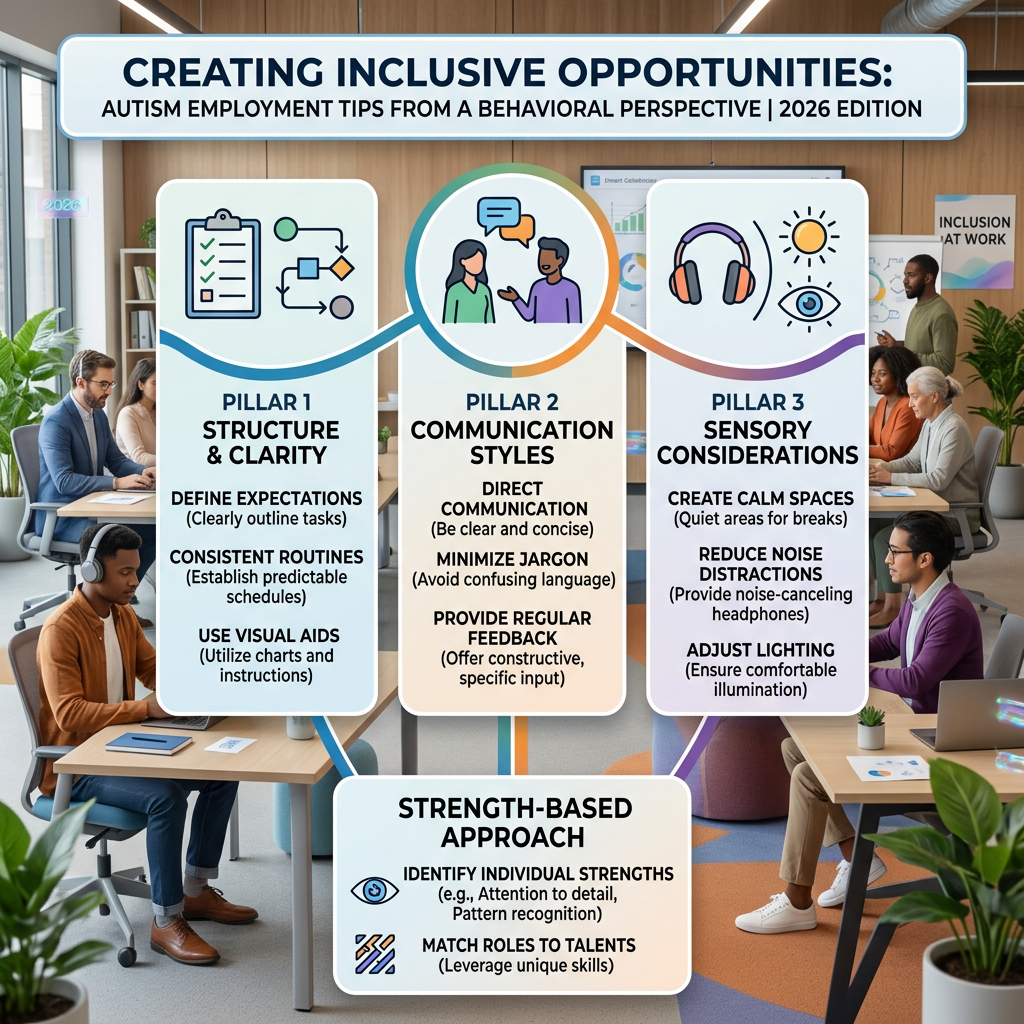
This approach does not remove expectations or boundaries. Instead, it changes how they are taught. When autistic individuals are provided with predictable routines, meaningful choices, communication supports, and sensory accommodations, they are better equipped to succeed. Rethinking behavior support also means respecting harmless autistic traits, such as stimming or avoiding eye contact, rather than viewing them as problems to fix. Every person deserves the freedom to regulate their emotions in ways that are safe and meaningful to them.
Therapists, Professionals, Teachers, and Families Can Make a Difference

Creating meaningful change begins with small, intentional choices made every day. Professionals can spend more time identifying the needs behind a behavior rather than simply responding to the behavior itself. Teachers can build classrooms where visual supports, flexible seating, movement breaks, and calm spaces help students feel secure enough to learn. Families can strengthen trust by responding with patience during difficult moments and celebrating progress, no matter how small it may seem.
Rethinking behavior support also means shifting the focus from deficits to strengths. Every autistic individual brings unique abilities, perspectives, and talents that deserve recognition. When support is built around those strengths, confidence grows naturally. Instead of feeling pressured to hide who they are, autistic people are encouraged to develop skills while remaining true to themselves. That balance creates genuine growth, not just temporary compliance.
A More Hopeful Future
The future of behavior support is rooted in relationships, not punishment. It is built on empathy, respect, and the belief that every autistic person deserves to be treated with dignity. As more schools, clinics, and families embrace rethinking traditional approaches, they are discovering that kindness and high expectations can exist together.
Real progress happens when people feel emotionally safe enough to learn, communicate, and take risks without fear of being judged. By replacing punishment with understanding, we do far more than reduce challenging behaviors; We nurture confidence, strengthen relationships, and create environments where autistic individuals can truly thrive. Rethinking behavior support is not simply a new strategy for 2026; it is a commitment to seeing the person before the behavior and choosing compassion every single time.
If you enjoyed this blog story, check out more great content in the following links:



Leave a Reply