
Table of Contents
Introduction

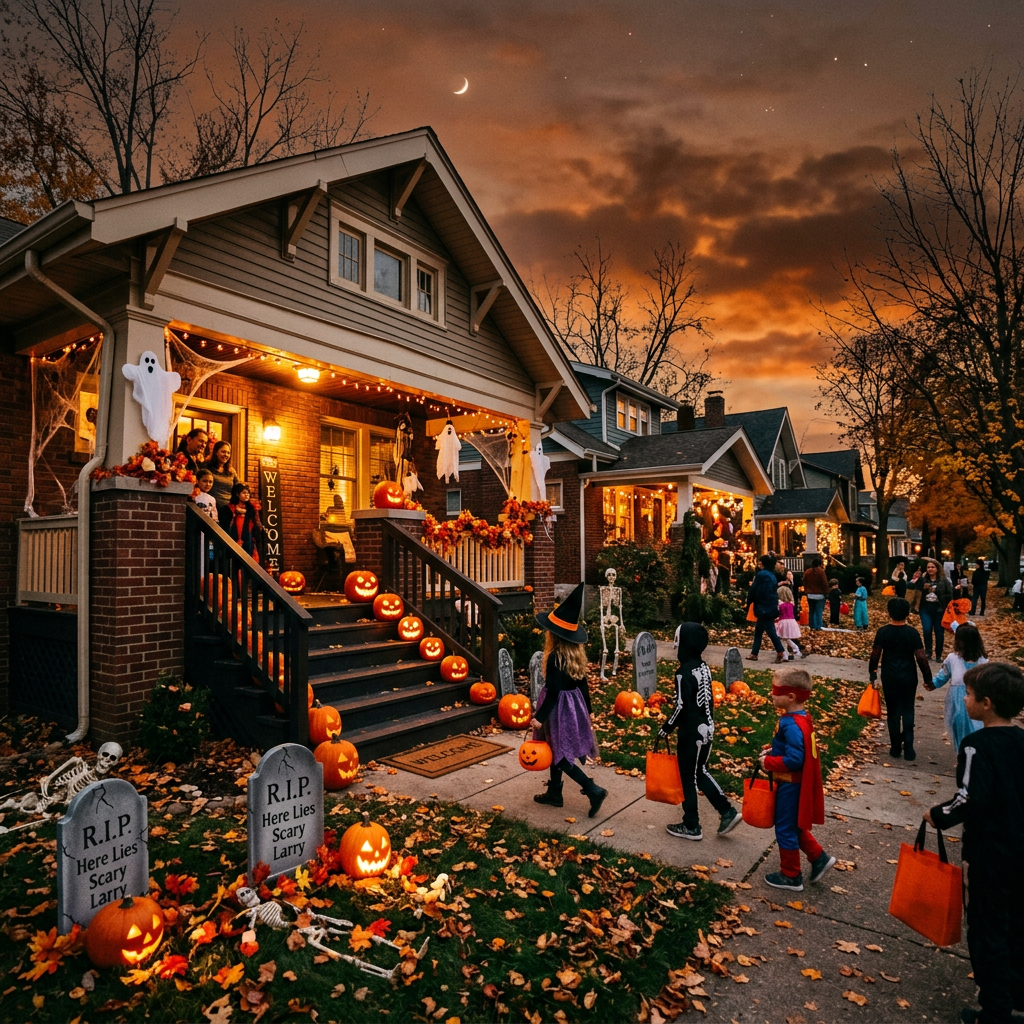
Halloween is coming up this Saturday and a season filled with imagination, colorful decorations, costumes, and opportunities to make beautiful memories with the people we love. But for autistic and neurodivergent individuals and their families, this holiday can bring challenges that others might not immediately recognize. The beauty of Halloween should never depend on how someone communicates, responds to sensory experiences, or participates in traditional celebrations. In 2026, we have another opportunity to embrace inclusion, celebrate differences, and make sure every family feels welcome.
The Beauty of Celebrating Halloween Differently
For some autistic and neurodivergent individuals, Halloween is an exciting opportunity to explore favorite interests, wear a beloved character costume, or collect treats with family members. For others, unfamiliar decorations, unexpected noises, crowded sidewalks, and changes in routine can make the experience overwhelming. Individuals with ADHD and other neurodivergent differences may also have their own preferences and support needs.
The beauty of inclusion begins when we recognize that there is no single correct way to celebrate Halloween. One family might enjoy an entire evening of trick-or-treating, while another might prefer pumpkin decorating, a favorite Halloween movie, or a quiet celebration at home. Both experiences are meaningful. What matters most is creating opportunities for joy without forcing anyone to fit a particular expectation.
Making Halloween More Sensory-Friendly

Costumes, flashing lights, loud sound effects, and strong smells can affect how autistic and neurodivergent individuals experience Halloween. Something that seems exciting to one person might feel uncomfortable or overwhelming to another.
Families can make the evening more enjoyable by choosing comfortable clothing, bringing noise-reducing headphones, preparing familiar snacks, and identifying a quiet place to take a break. Trying on costumes beforehand and discussing plans using pictures or visual schedules can also help individuals know what to expect.
In warmer climates, lightweight costumes and access to water are especially important. Flexibility makes a difference, too. If a costume becomes uncomfortable, changing into familiar clothes should never mean the celebration is ruined.
There is beauty in respecting sensory needs rather than expecting someone to endure discomfort for the sake of tradition.
Inclusion Begins With Understanding Communication Differences
Not every autistic individual communicates in the same way. Some speak fluently, some use a few words, and others communicate through gestures, picture cards, sign language, or augmentative and alternative communication (AAC) devices.
During trick-or-treating, a child might hold out a bag without speaking, use a communication device, or need additional time to respond. These are valid ways to participate. Neighbors can help by offering treats without requiring eye contact, spoken words, or an immediate verbal response.
A friendly smile, patient attitude, and willingness to accommodate different communication styles can transform a brief doorstep interaction into a moment of genuine belonging.
The beauty of communication lies in connection, not in requiring everyone to communicate identically.
Supporting Families Without Judgment
Families of autistic and neurodivergent individuals often spend considerable time planning for outings, anticipating challenges, and finding ways to help their loved ones feel comfortable. Halloween can involve balancing the needs of siblings, managing unexpected changes, and deciding when it is time to take a break.
Instead of questioning why a child is wearing headphones, leaving early, or choosing not to wear a costume, communities can offer understanding and encouragement. Parents should feel comfortable adjusting their plans without worrying that others will judge their decisions.
Siblings deserve consideration, too. Families can explore flexible arrangements that allow everyone to enjoy the holiday in ways that work for them.
Sometimes, the most beautiful Halloween memories are not created by elaborate decorations or overflowing candy bags. They come from a loved one feeling understood, a sibling sharing a laugh, or a parent realizing that their family can participate without unnecessary pressure.
Small Acts of Inclusion Create Lasting Beauty

Every neighbor, school, community organization, and family can contribute to a more welcoming Halloween. Simple actions can make a meaningful difference: offering non-food treats, reducing startling decorations, creating quieter activities, and welcoming individuals who participate differently.
Communities can also organize sensory-friendly Halloween events with smaller crowds, predictable activities, and designated quiet spaces. Families should have access to choices rather than being expected to make traditional events work when those events are not suitable for their needs.
These changes benefit more than autistic and neurodivergent individuals. They encourage children and adults to recognize differences with compassion and to understand that inclusion is an everyday practice, not simply a seasonal message.
Conclusion: Celebrating the Beauty of Belonging
Halloween in 2026 can be a reminder that the beauty of inclusion comes from making room for every individual’s needs, interests, and preferences. Autistic and neurodivergent individuals deserve opportunities to experience happiness, connection, and community without having to hide their differences or follow expectations that do not work for them.
Families deserve that same acceptance. They deserve to make choices without guilt, celebrate without judgment, and create traditions that reflect the people they love.
Whether Halloween means trick-or-treating, a comfortable costume, a quiet evening, or a favorite activity at home, every celebration can hold something beautiful. When we replace judgment with understanding and rigid expectations with flexibility, we help create a world where more people feel that they belong.
The true beauty of Halloween is not how perfectly someone participates. It is knowing that everyone deserves a place in the celebration.
If you enjoyed this blog story, check out more great content in the following links:


Leave a Reply