
Table of Contents
A Personal Shift Happening Everywhere

If you pause long enough, you can feel it, the quiet emotional shift happening in 2026. People are tired of being controlled, corrected, or constantly told who they should be. Parents are rethinking discipline. Teachers are rethinking authority. Even adults are relearning how to treat themselves with kindness instead of pressure. At the center of this transformation sits one powerful word: autonomy.
Autonomy is deeply human. It is the feeling of being trusted with your own life. When freedom is honored, people breathe differently. Shoulders relax. Conversations soften. Growth becomes possible. Many of us grew up believing regulation meant hiding emotions or behaving perfectly. We were praised for compliance, not understanding. Yet inside, emotions waited patiently to be heard.
Now we understand something essential: regulation cannot grow where free will is ignored. When someone feels controlled, their brain moves into defense. They resist, shut down, or pretend. But when autonomy is respected, even in small ways, people begin to regulate naturally. They learn to pause, reflect, and choose their responses.
This change is emotional because it requires adults to rewrite old stories. Instead of asking, How do I make someone behave? we ask, How do I help them understand themselves? That question changes everything.
Rediscovering Freedom in Everyday Life
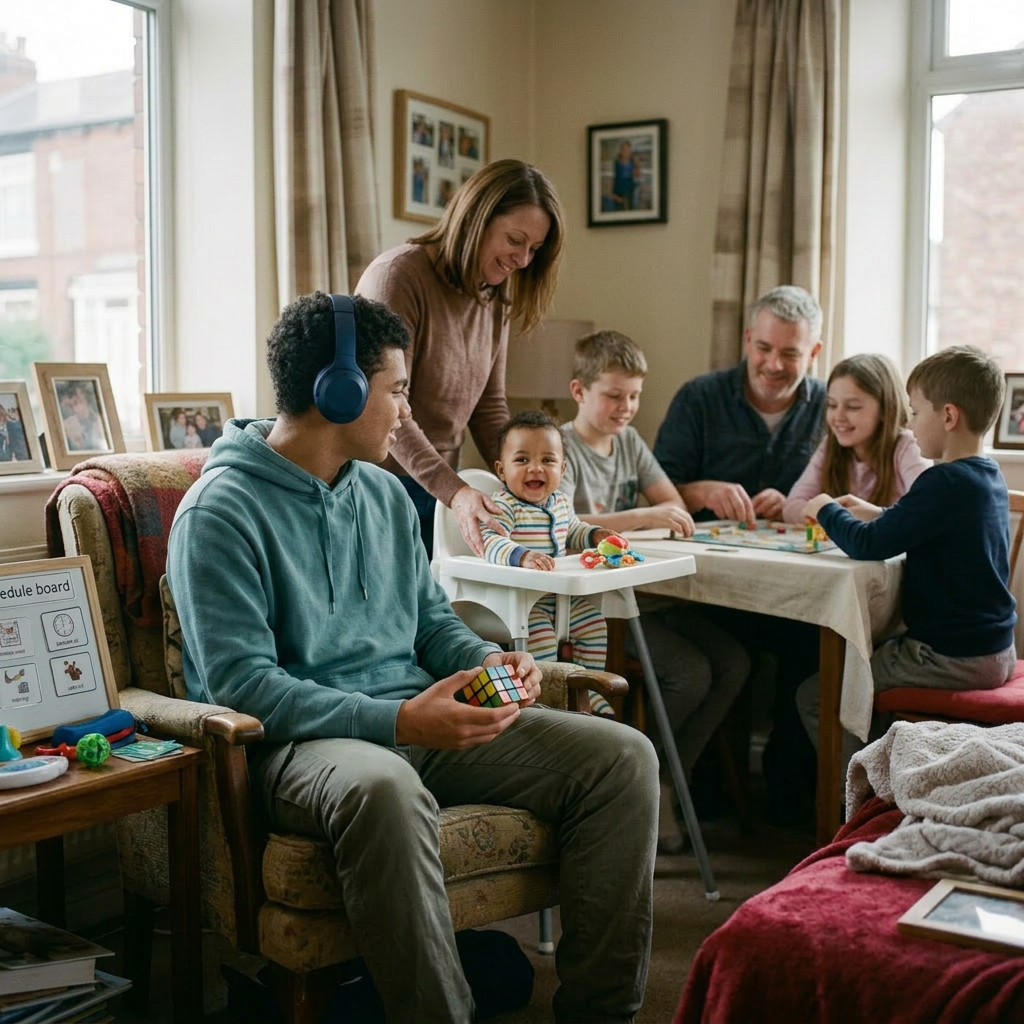
Autonomy is not grand or dramatic. It lives in ordinary moments. It appears when a child chooses how to solve a problem, when an autistic student voices an opinion without fear, or when an neurodivergent adult allows themselves to rest without guilt. These moments seem small, yet they quietly build self-trust.
Think about a time someone truly listened to you, not to fix you, but to understand you. Chances are, you felt calmer afterward. That is autonomy at work. Feeling heard reduces emotional chaos because the nervous system senses safety. Regulation follows connection.
In 2026, honoring autonomy means accepting that growth is not linear. People learn through experience, mistakes, and reflection. We guide without taking ownership of someone else’s emotional journey.
What Emotional Regulation Truly Means

Regulation is often misunderstood as control over feelings. In reality, regulation means staying connected to yourself while emotions move through you. Anger, sadness, joy, and fear are not problems; They are signals. When autonomy is respected, people learn to interpret those signals instead of fearing them.
Many emotional struggles come from years of being told certain feelings were unacceptable. “Stop crying.” “Don’t be angry.” “You’re overreacting.” Those messages disconnect individuals from themselves. Teaching regulation today looks different. It sounds like, “I see you’re upset. Let’s figure this out together.”
Freedom allows emotions to exist without shame. And when emotions are allowed, they lose their need to explode. Regulation becomes less about discipline and more about awareness. People begin recognizing triggers, naming feelings, and choosing healthier responses—not because they must, but because they want to.
Safety always comes before regulation. A person cannot calm down while feeling controlled or judged. Autonomy creates emotional safety, and safety teaches the brain that regulation is possible.
Freedom and Boundaries Can Coexist
One of the biggest fears about autonomy is the belief that freedom leads to chaos. But real freedom does not remove boundaries; It reshapes them. Boundaries become acts of care rather than control.
Imagine learning to swim. No one throws you into deep water alone, yet no one holds you forever either. Support exists alongside independence. The same principle applies to emotional development. Guidance provides structure, while freedom allows exploration.
When individuals including neurodivergent people participate in setting expectations, they feel respected. Responsibility grows organically. Instead of enforcing behavior through fear, we invite cooperation through trust. Autonomy teaches accountability because choices carry meaning.
Teaching regulation while honoring autonomy means offering limits with empathy. “You’re allowed to feel angry, but you cannot hurt others.” The feeling is accepted; the behavior is guided. That balance helps people internalize regulation rather than perform it temporarily.
Autonomy in Relationships

Relationships change profoundly when autonomy is honored. Parenting becomes less about managing behavior and more about nurturing connection. Adults shift from directors to supporters. Listening becomes more powerful than lecturing.
When children including neurodivergent children experience freedom, they develop confidence in their own thoughts and emotions. They learn that mistakes are part of growth rather than evidence of failure. The same applies to friendships, partnerships, and workplaces. Autonomy strengthens trust because individuals feel seen rather than controlled.
Supporting autonomy also requires emotional courage. It means tolerating discomfort when someone struggles instead of rushing to fix everything. Growth often looks messy. Yet autonomy teaches resilience: the ability to recover, reflect, and try again.
Regulation taught through autonomy lasts longer because it belongs to the individual. It becomes part of identity, not just compliance.
The Emotional Future of Humanity
Looking ahead, the world needs people who can regulate themselves without losing their humanity. Technology will continue evolving, challenges will remain unpredictable, and emotional resilience will matter more than ever. Autonomy prepares individuals for that future.
When people understand themselves, they respond rather than react. They communicate with empathy. They navigate conflict without collapsing into fear or aggression. Autonomy becomes emotional strength: the quiet confidence of knowing, I can handle my feelings.
Honoring autonomy while teaching regulation is ultimately an act of hope. It says we believe people are capable of growth. It trusts that given safety, guidance, and respect, humans naturally move toward balance.
And perhaps the most healing realization of all is this: autonomy is not only something we give others. It is something we learn to give ourselves.
Conclusion
Honoring autonomy while teaching regulation in 2026 reflects a deeper understanding of what it means to be human. Regulation cannot be forced; it must be cultivated through respect, connection, and trust. When autonomy is protected, emotional growth becomes authentic and lasting. The future belongs to individuals who know themselves, and that knowledge begins when autonomy is honored.
If you enjoyed this blog story, check out more great content in the following links:


Leave a Reply