
Table of Contents
Introduction

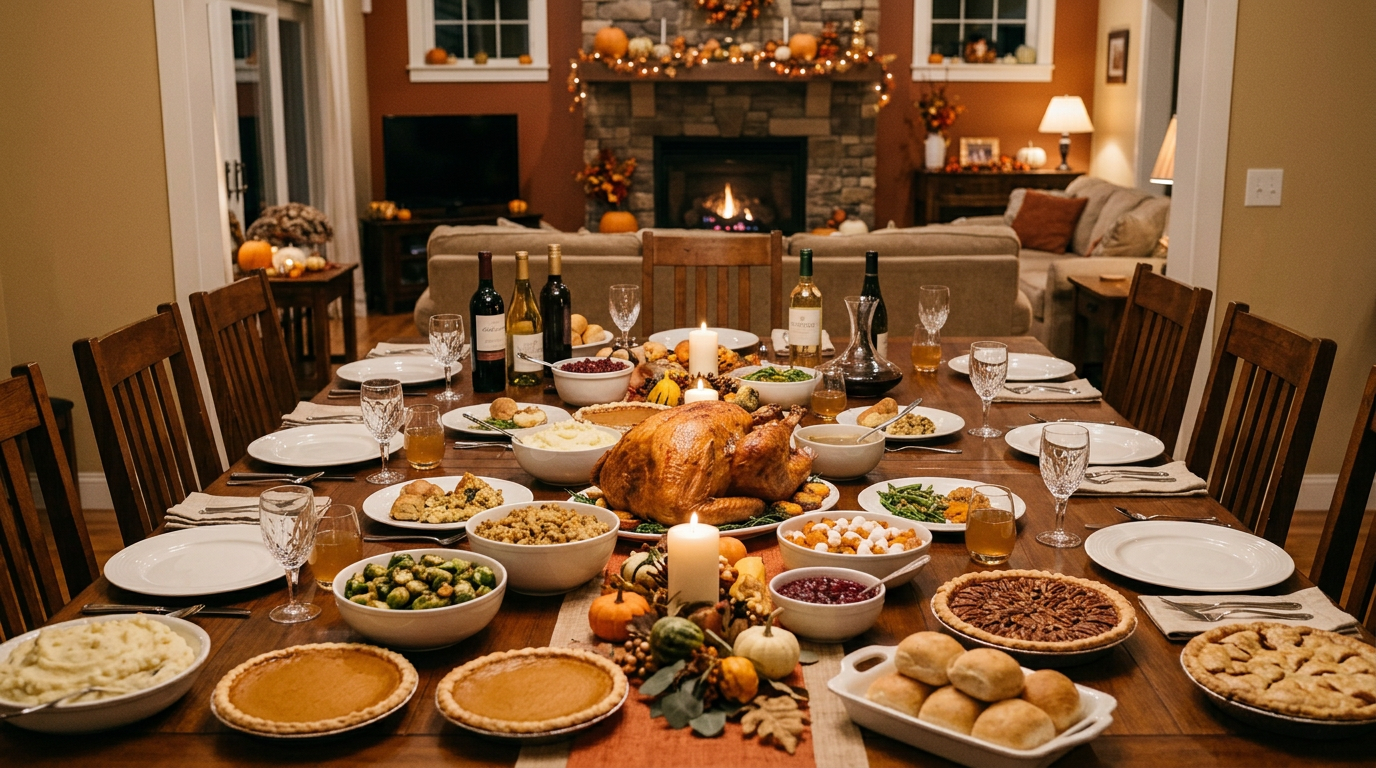
Thanksgiving is a time to appreciate the people who make our lives meaningful, celebrate special moments, and create memories with family and friends. But for autistic and neurodivergent individuals, including children, the holiday can bring a mixture of excitement, sensory challenges, and unexpected changes. Between family gatherings, unfamiliar environments, different foods, and busy schedules, Thanksgiving may look and feel different for every family.
Making Thanksgiving brighter in 2026 starts with understanding, patience, and acceptance. Being grateful does not mean everyone has to celebrate the same way. It means appreciating each person’s individuality and recognizing that meaningful holiday experiences come in many different forms.
1. Understanding That Every Thanksgiving Experience Is Unique
For families raising neurodivergent children, Thanksgiving can involve additional preparation. Large gatherings, background conversations, bright decorations, and unfamiliar routines may feel overwhelming. Some children may enjoy participating in family traditions, while others may prefer quieter activities or spending time in a familiar space.
Instead of expecting every child to participate in everything, families can focus on understanding individual needs. A child who needs a break from the dinner table is not being ungrateful. They may simply need time to process their surroundings.
2. Being Grateful for Individual Differences
One of the most meaningful ways to celebrate Thanksgiving is by appreciating what makes each person unique. Autistic and neurodivergent individuals experience the world through different perspectives, communication styles, interests, and abilities.
Parents and caregivers can encourage gratitude without making it another expectation placed on their children. Celebrate small accomplishments, meaningful connections, favorite activities, and moments of happiness.
Sometimes, the brightest Thanksgiving memories come from the simplest experiences.
3. Creating Sensory-Friendly Thanksgiving Traditions
A sensory-friendly Thanksgiving can help neurodivergent children feel more comfortable and included. Families can make small adjustments, such as reducing background noise, offering familiar foods, providing comfortable clothing options, and creating a quiet area.
Children should not feel pressured to try every Thanksgiving dish. Having familiar foods available can make mealtime less stressful and more enjoyable.
These adjustments are not taking away from the holiday. They are making room for everyone to participate in ways that feel comfortable.
4. Celebrating Gratitude Through Meaningful Activities
Gratitude does not always have to involve sitting around a table and explaining what someone appreciates. Neurodivergent children may express gratitude differently, including through pictures, gestures, writing, communication devices, or favorite activities.
Families can create Thanksgiving crafts, decorate gratitude trees, share favorite memories, or make simple picture cards.
The important thing is allowing children to express themselves without pressure or expectations.
5. Giving Families Permission to Celebrate Differently
Parents of neurodivergent children sometimes feel pressure to maintain traditional holiday celebrations while managing their children’s individual needs. Remember that there is no single right way to celebrate Thanksgiving.
Some families may enjoy a large gathering, while others may prefer a quiet dinner at home. Both experiences are meaningful.
Being grateful also means appreciating the effort families make every day to create supportive, loving environments for their children.
6. Helping Relatives Understand Neurodiversity
Thanksgiving can also be an opportunity to build greater understanding among extended family members. Relatives may not always understand why a child avoids hugs, prefers familiar foods, uses headphones, or communicates differently.
A little patience and education can make a meaningful difference. Encourage family members to respect personal boundaries, avoid unnecessary comments, and recognize that communication does not look the same for everyone.
When families lead with understanding, children have more opportunities to feel accepted and appreciated.
Conclusion: A Grateful Thanksgiving Begins With Understanding

As Thanksgiving 2026 approaches, remember that the most meaningful celebrations are not measured by perfect meals, family photographs, or traditional activities. They are measured by the love, patience, and understanding we share with one another.
For autistic and neurodivergent individuals and families raising neurodiverse children, being grateful means appreciating the little moments, respecting individual differences, and creating traditions that allow everyone to feel included.
This Thanksgiving, let’s be grateful for individuality, celebrate different ways of experiencing the world, and remember that every family deserves a holiday filled with acceptance, comfort, and love.
If you enjoyed this blog story, check out more great content in the following links:


Leave a Reply