
-
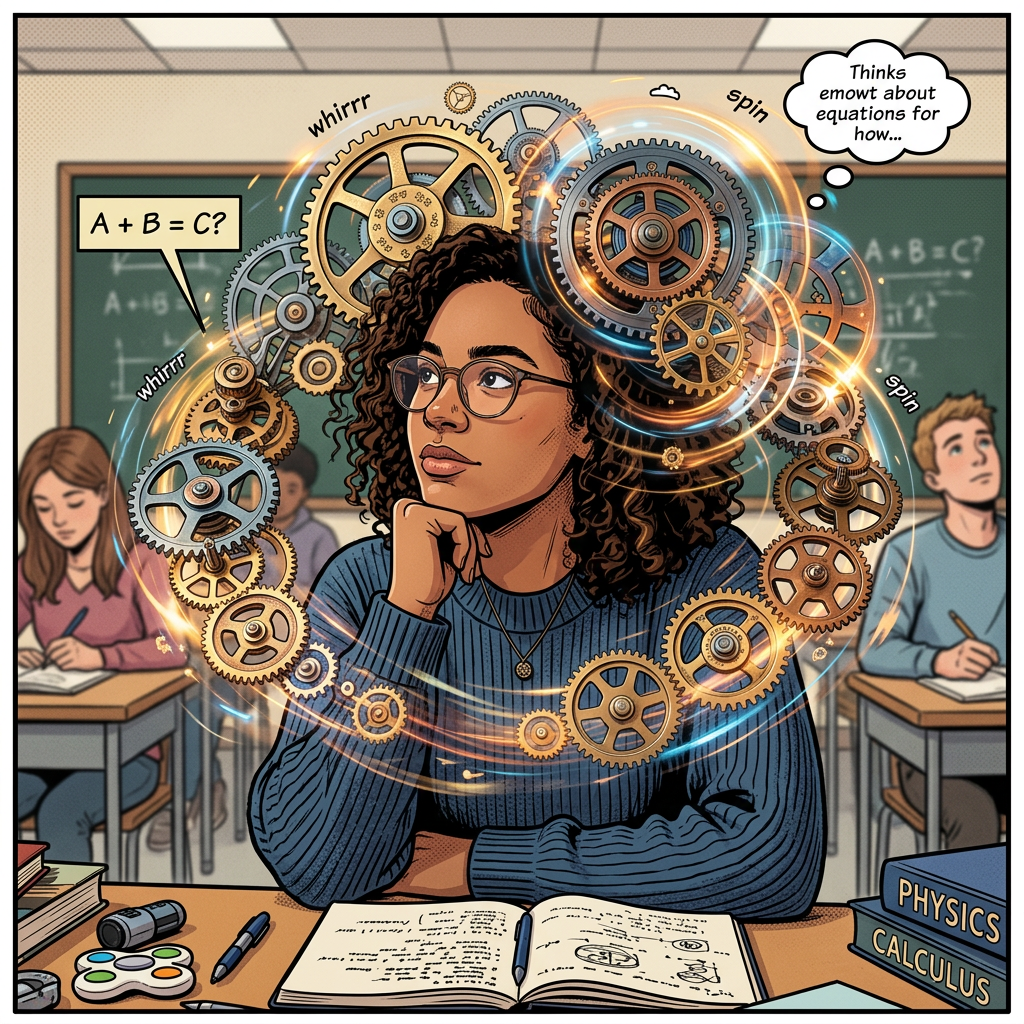
Think Smarter, Not Faster: Game-Changing Processing Speed Hacks for Autistic People in 2026
Have you ever sat in a conversation and felt the moment pass before your thoughts were ready? Someone asks a question, people laugh, decisions happen instantly, and your brain is still carefully connecting the dots. Many autistic people like myself know this feeling deeply. It can hurt. It can feel isolating. Sometimes it even makes…
-

The Missing Transition Plan in 2026: Autism Support Systems Every Family Should Know After High School
Graduation should feel like a victory. Caps fly, cameras flash, and families celebrate years of hard work. I experienced that nearly 10 years ago when I graduated from high school in New Jersey. It’s hard to believe how quickly time has passed; Those ten years truly flew by in what feels like the blink of…
-
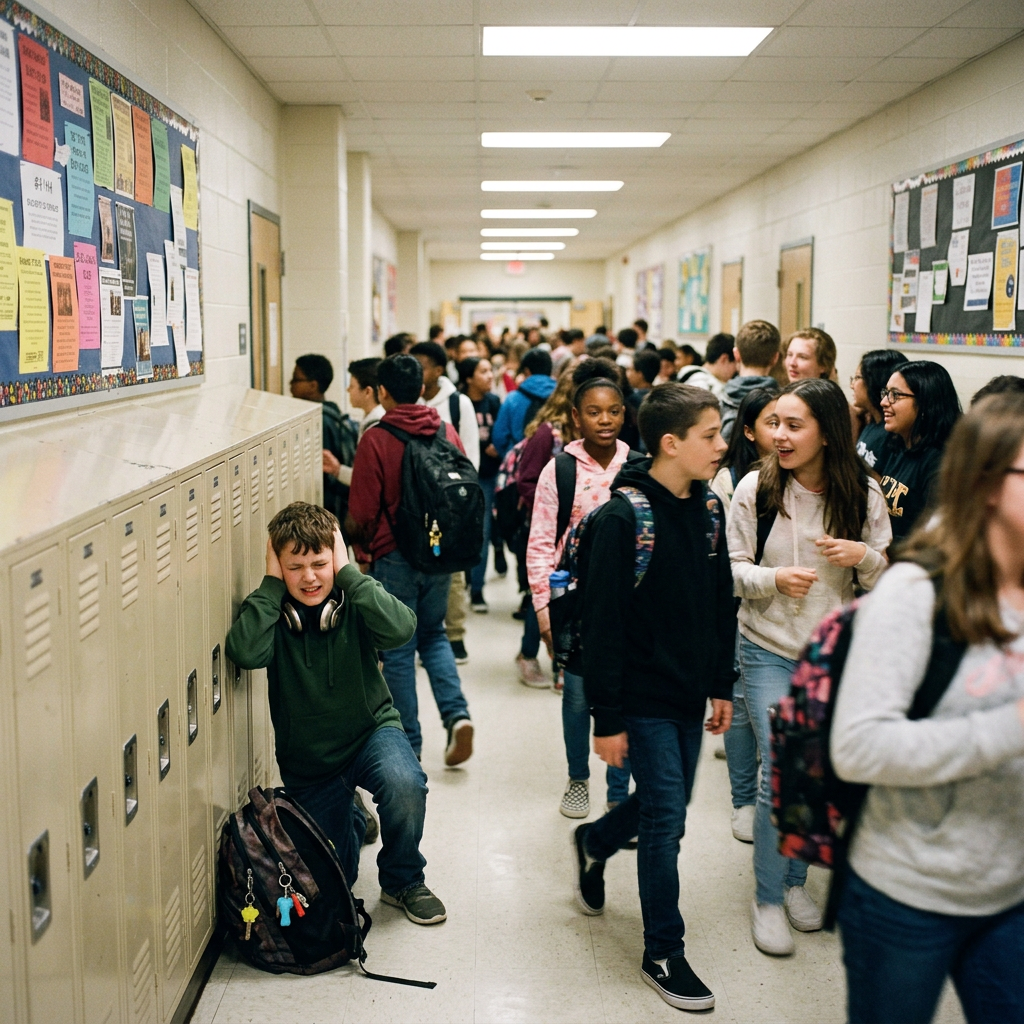
Countdown Chaos: Helping Autistic Kids Thrive During the Last Month of School in 2026
The last month of school often feels like pure chaos. Hallways grow louder, routines shift without warning, teachers rush to finish lessons, and classmates buzz with excitement about summer. For many families, this countdown feels joyful. But for autistic children, that same energy can turn into overwhelming chaos inside their minds and bodies. What looks…
-
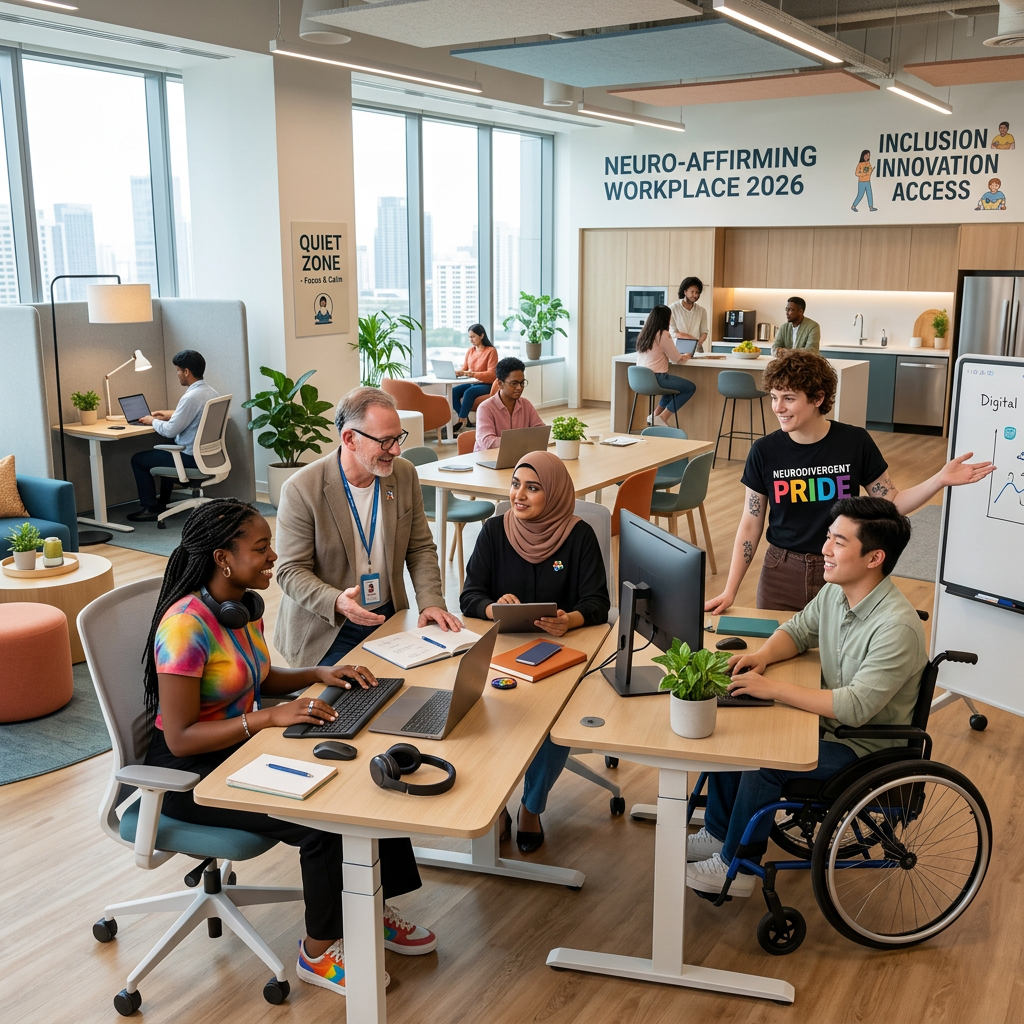
An Urgent Wake-Up Call: Stop Fixing People, Start Fixing Workplaces — The Rise of Neuro-Affirming Policies in Workplaces in 2026
There is something undeniably urgent happening inside modern workplaces. Employees are no longer quietly tolerating systems that exhaust them. Conversations about burnout, inclusion, and psychological safety are no longer side discussions—they are front and center. For years, organizations approached workplace struggles by asking individuals to adapt, toughen up, or improve resilience. The urgent reality emerging…
-

Honoring Autonomy While Teaching Regulation in 2026
If you pause long enough, you can feel it, the quiet emotional shift happening in 2026. People are tired of being controlled, corrected, or constantly told who they should be. Parents are rethinking discipline. Teachers are rethinking authority. Even adults are relearning how to treat themselves with kindness instead of pressure. At the center of…
-

No Driver, No Stress? How Self-Driving Cars Could Revolutionize Transportation for People with Autism in 2026
This is Part 2 of our journey exploring how self-driving cars could transform transportation for neurodivergent people, diving deeper into the possibilities, challenges, and hope this technology brings for greater independence and freedom. Revolutionize is a powerful word, and in many ways, it perfectly describes the change people hope to see in transportation. For most…
-

Autonomous Vehicles and the Future of Disability Independence in 2026
The future begins with a simple, powerful truth: every morning, millions of Americans with disabilities face a quiet, invisible barrier that most people never think about — getting somewhere. Not the destination itself: a job interview, a doctor’s appointment, a friend’s birthday dinner, but simply the act of getting there. For decades, this barrier has…
-

Between Structure and Freedom: Navigating Spring Break with Autism in 2026
Spring break is often imagined as a carefree escape—sunshine, travel, laughter, and a temporary break from responsibilities. For many families, it represents pure freedom. But for families navigating autism, spring break can carry a more complex emotional landscape. The excitement of new places and experiences is real, yet so is the uncertainty that comes when…
-

8 Struggles When the Clock Jumps Forward- Balance Can Fall
Spring brings brighter days, longer evenings, and the promise of warmth—but for many autistic individuals, the shift of the clock jumping forward can feel like the world is moving too fast. That lost hour may seem small to some, but it can create deep, tangible struggles for autistic people, their families, educators, and professionals who…
-

From Meltdowns to Connection: Co‑Regulation Actually Works in 2026
Something meaningful has shifted in 2026. We are no longer asking, “How do I make this stop?” when a meltdown erupts. We are asking, “What does this person need right now?” That question changes everything. It moves us away from control and toward connection. For years, big emotions were treated like problems to eliminate. Children…